
Following the Flow: Mapping the Road to Cleaner Water

An interactive map prioritizes stormwater retrofits to reduce runoff carrying a tire-derived chemical linked to salmon deaths. Written by Sara Bruestle, freelance writer Salmon are icons in Washington: Their long-distance migrations shape the state’s natural environment and robust economy. Strong salmon runs are vital to healthy ecosystems, the fishing and tourism industries, Tribal treaty rights, […]
Approaching the Funding Cliff: What Happens When BIL Expires?

The makings of an engineered log jam on the Elwha River. Credit: Tiffany Royal/NWIFC The Bipartisan Infrastructure Law (BIL) was passed to provide transformative funding spread across five years to address long-standing infrastructure, environmental, and climate challenges. BIL was signed into law in 2021, funding started flowing in 2022, and it is scheduled to phase […]
Sound Safe Infrastructure: Building a future with resilient infrastructure and ecosystems
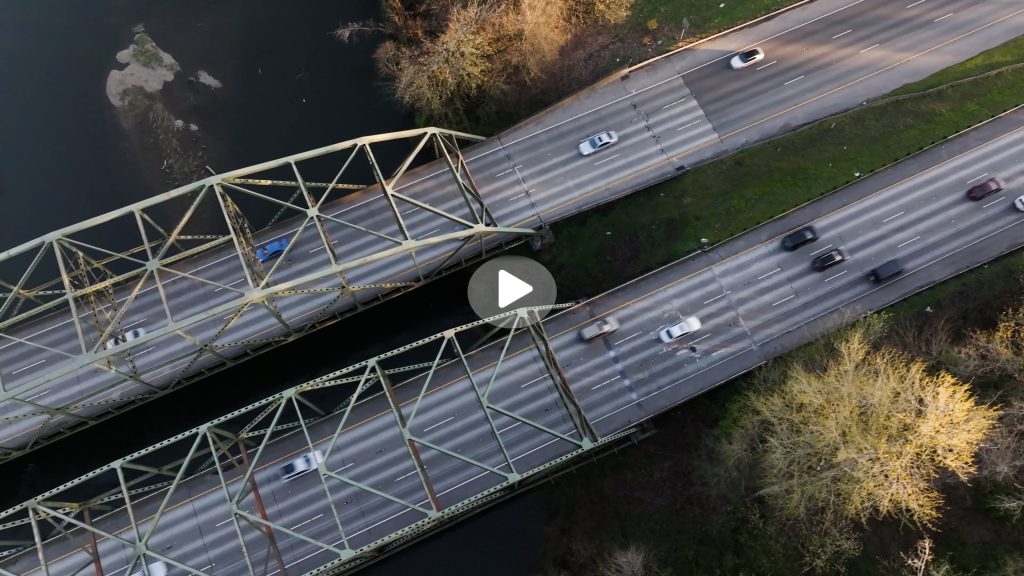
Tribes, local governments, state agencies, and nonprofits are working together to plan and complete infrastructure improvements that contribute to Puget Sound ecosystem and salmon recovery. This relationship between the recovery and transportation sectors creates Sound Safe Infrastructure, which produces better outcomes for people, salmon, and the environment.
The Bipartisan Infrastructure Law and the Inflation Reduction Act provide transformational funding to support Puget Sound recovery priorities
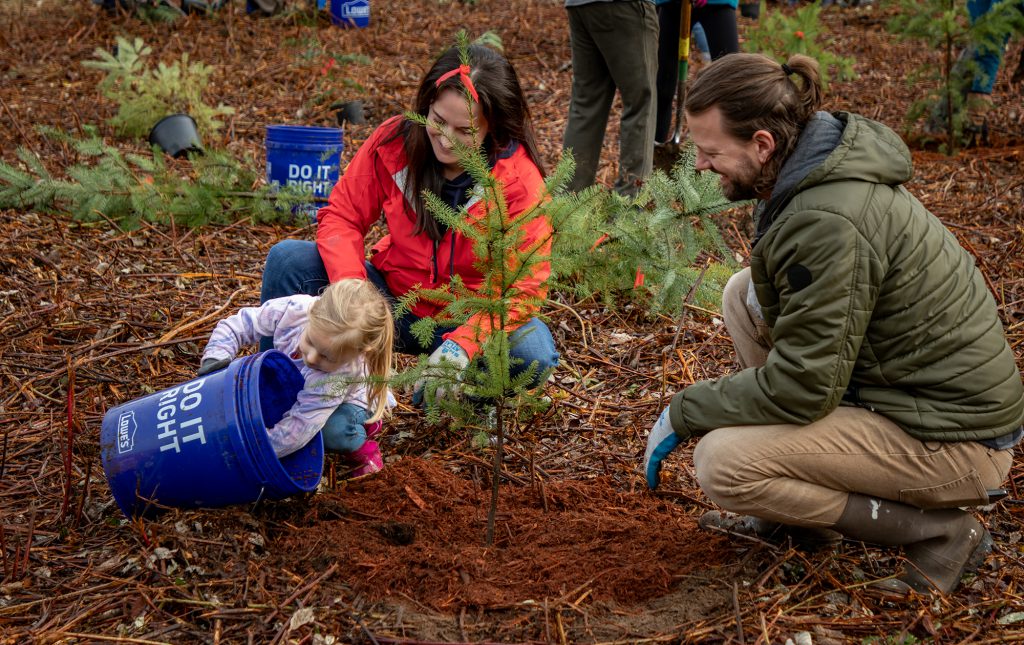
Funding from the Bipartisan Infrastructure Law and the Inflation Reduction Act has supported projects for salmon recovery, fish passage, habitat restoration, greenhouse gas reduction, environmental health improvement, mobility and safety, flood-hazard reduction, invasive species management, and more.
Navigating the depths: The Cetacean Desk’s marine mission for the Southern Resident killer whales.
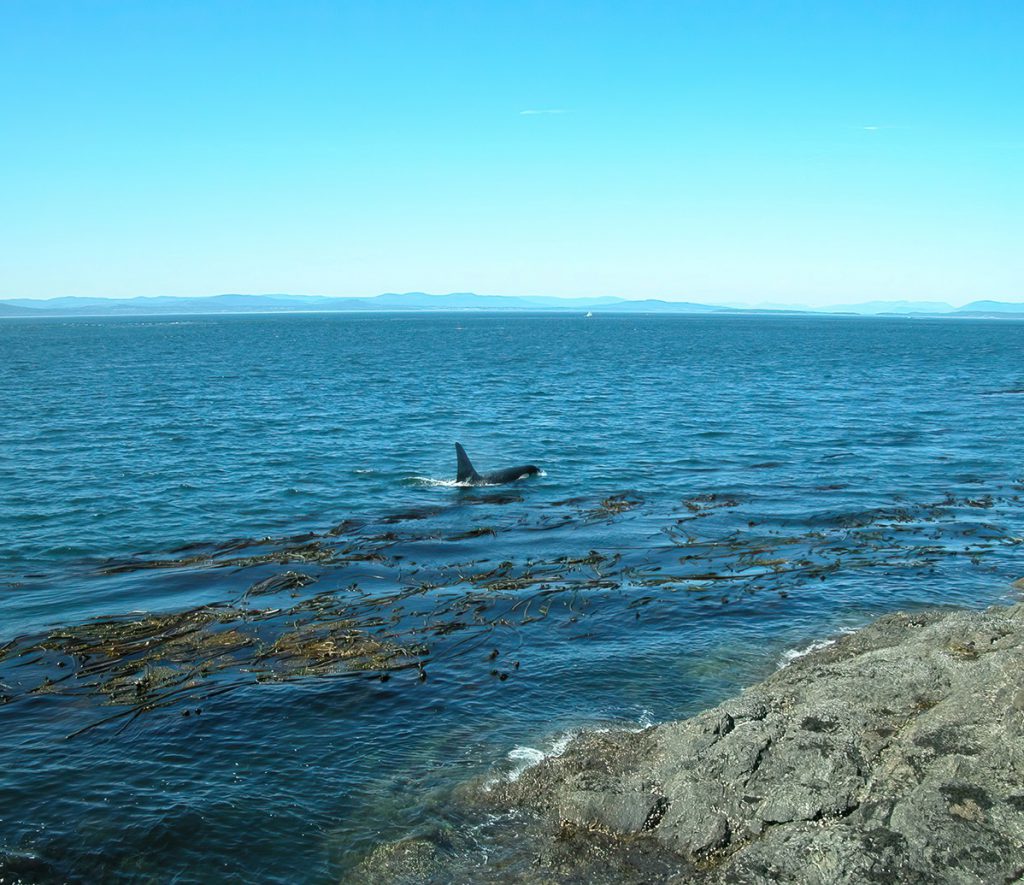
The Cetacean Desk’s marine mission for the Southern Resident killer whales.
Resilient floodplains for people and salmon
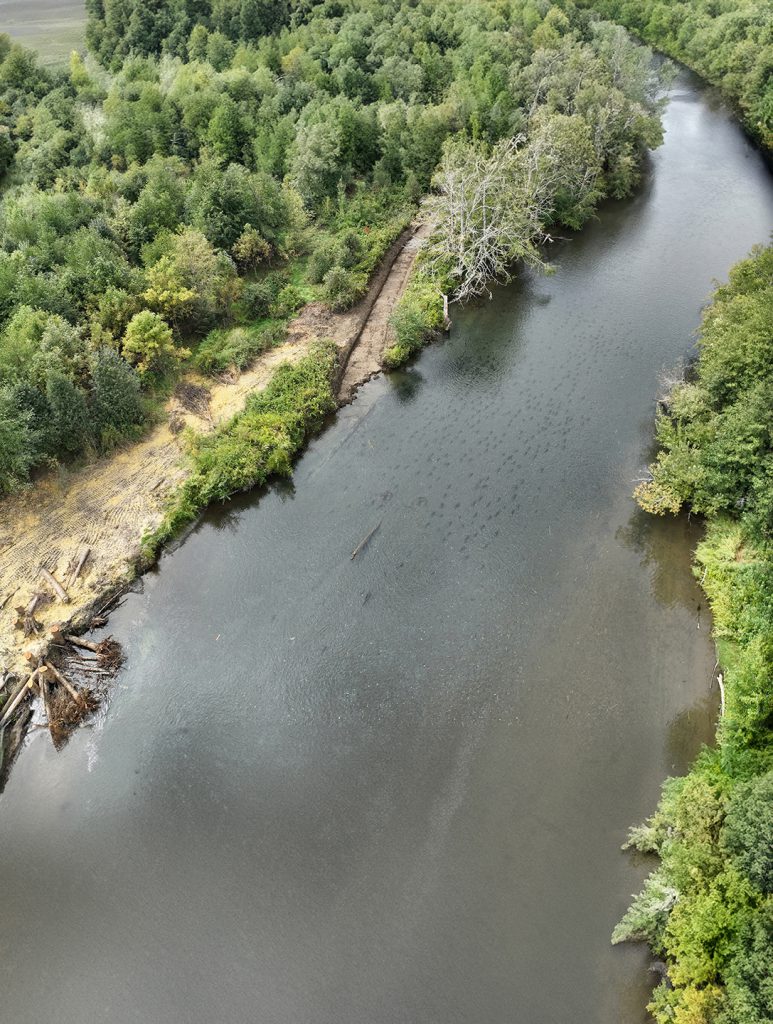
Salmon recovery partners throughout the state—including Tribes, local governments, and nonprofits—have seen their projects delayed or cancelled due to impacts from a change in the Federal Emergency Management Agency’s (FEMA) no-rise policy. The no-rise policy now mandates costly analyses for salmon habitat restoration projects. Partners are seeking to work with FEMA to change the policy so that it’s more flexible for restoration activities.
Puget Sound Day on the Sound
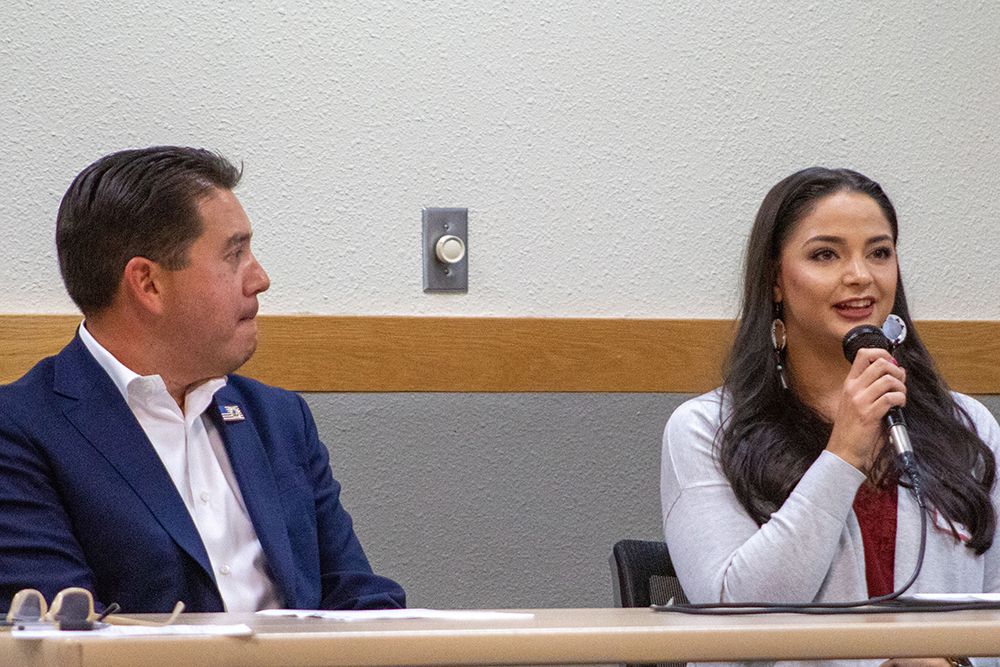
Representatives from federal and state agencies, Tribes, and local governments convened in Tacoma on Tuesday, Oct. 10 for the third annual “Puget Sound Day on the Sound” event. Over the course of several panel discussions, participants spoke about opportunities to better coordinate and align resources to accelerate Puget Sound recovery and support Tribal treaty rights.